I have warned for some time that the renewed war in Tigray could draw Ethiopia and Eritrea into direct military confrontation. Over the past week, that danger has become a reality. Both armies have deployed substantial forces along the border. Tigrayans have reported drone strikes and heavy artillery fire around Badme for some days now, and fighting have also been reported elsewhere along the border (Rama, Zalambessa, Iron). The fighting involving federal, TPLF, TPF, and Eritrean forces, and it is increasingly difficult to treat as separate from the overall confrontation between Addis Ababa and Asmara.
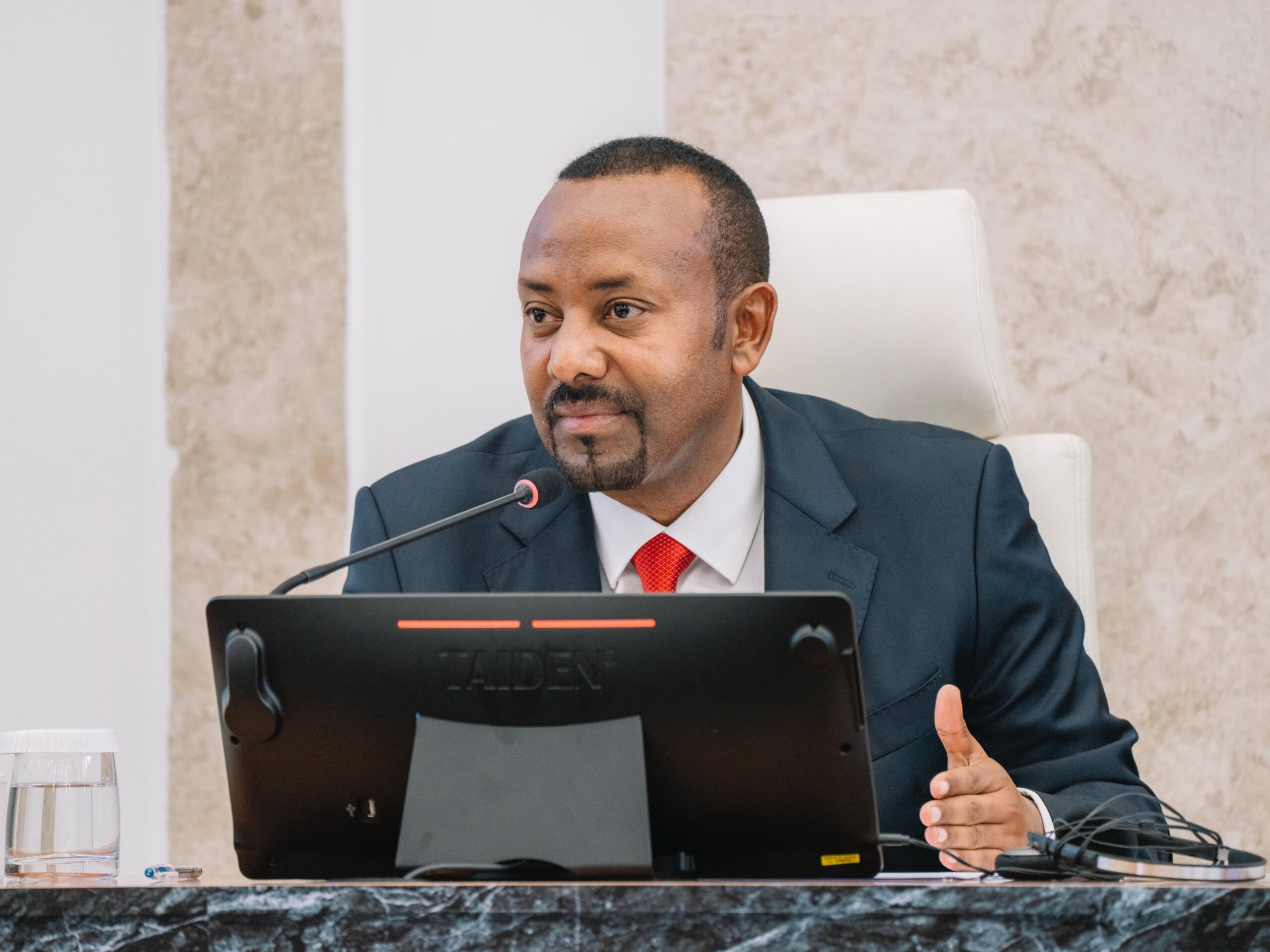
This is the context in which I read Abiy Ahmed’s remarks in the House of Representatives today and the subsequent unusually active posting on his X account. The parliamentary session explains the burst of posts. What matters is what he said, however. He accused Eritrea of arming Ethiopia’s domestic adversaries, recounted what he described as rejected offers to cooperate: apparently Ethiopia offered to link Eritrea to the domestic electric grid, to help develop roads and ports infrastructure – all turned down by President Isaias Afwerki. PM Abiy Ahmed then warned the Eritrean leadership of devastating consequences if it continued on the same course. In the same HoR address, he invoked Ethiopia’s peacekeeping record and described the country as the region’s “older brother.” Taken together, these remarks show how Abiy wants a wider confrontation to be understood at home and abroad: Ethiopia claiming its right to self-defence after providing evidence of Eritrean hostile activities and repeated attempts at cooperation have failed.

I have always taken the words of Ethiopian and Eritrean political leaders seriously – and I believe we should do it now too. My assessment is that an Ethiopian offensive against Eritrea is now a concrete and real possibility. The troop deployments and repeated clashes mean that escalation is already under way. The immediate question is whether the fighting remains concentrated in particular border sectors or whether either government decides to widen it. In my experience following this frontier for close to four decades, that decision can come quickly once both armies are deployed and currently exchanging fire.
Abiy Ahmed Ali offered Isaias Afwerki and Eritrea an off-ramp to de-escalate the tension; immediately ceasing all support to Ethiopian insurgencies and start collaborating with Addis Ababa now. However, I seriously doubt Isaias will take up that offer, although I really hope so. The outcome of what to come will once again be devastating upon the peoples of Eritrea, Tigray and Ethiopia.
Prof. Kjetil Tronvoll